Kundalini Yoga

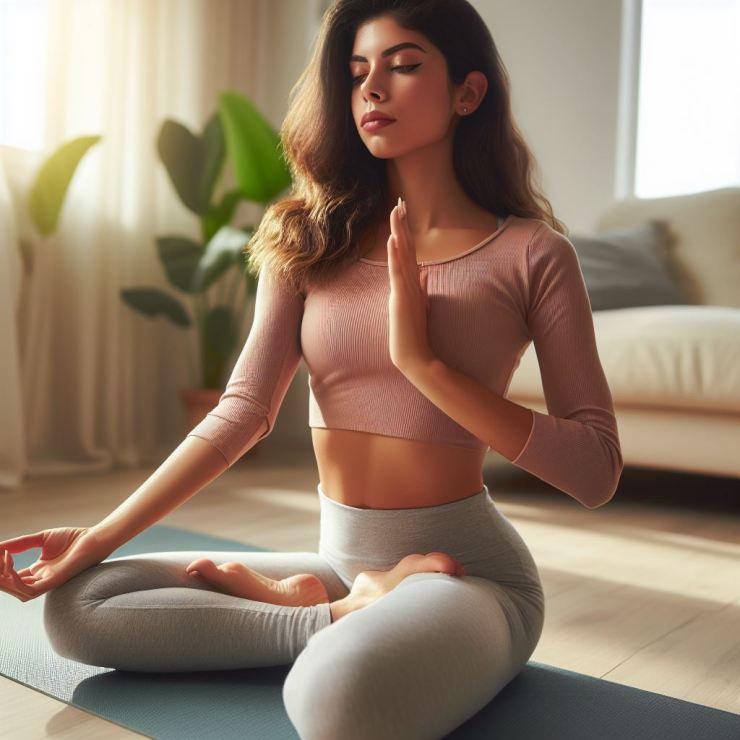
Kundalini Yoga, as taught by Yogi Bhajan, is a transformative practice that blends ancient yogic traditions with modern techniques for holistic well-being. Yogi Bhajan introduced Kundalini Yoga to the West in 1969, emphasizing its power to awaken the dormant energy within each individual.

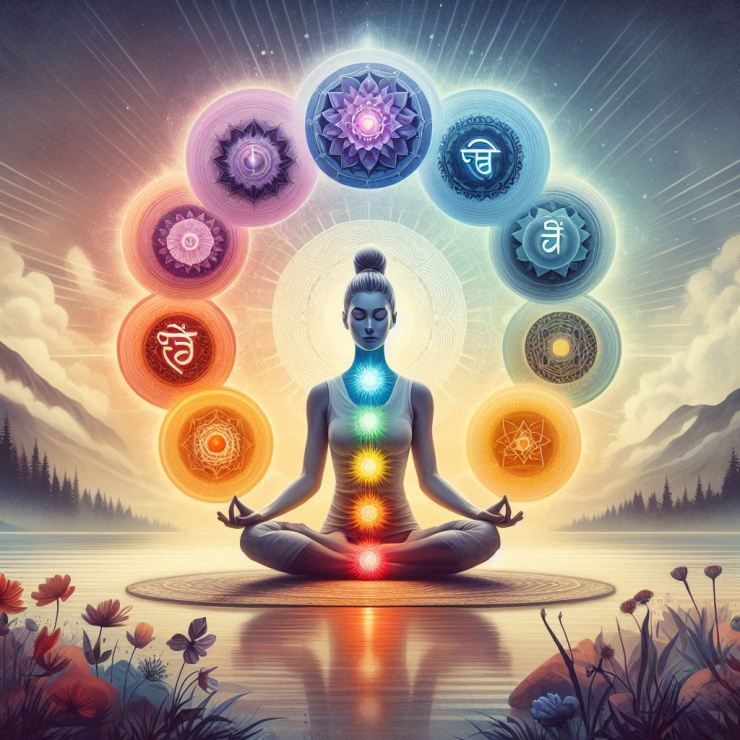
Central to this practice is the concept of Kundalini energy, often depicted as a coiled serpent at the base of the spine. Through a combination of dynamic postures, breathwork, mantra chanting, and meditation, practitioners aim to activate this potent energy and guide it through the body’s chakras, or energy centres.

Unlike other forms of yoga, Kundalini Yoga doesn’t focus solely on physical fitness but also spiritual growth and self-awareness. The practice is designed to clear energetic blockages, release stress, and elevate consciousness, leading to a profound sense of balance and inner peace.

Yogi Bhajan’s teachings emphasize the importance of living in harmony with oneself and others, promoting a lifestyle rooted in mindfulness, compassion, and service. Kundalini Yoga offers a powerful tool for individuals seeking personal transformation, spiritual awakening, and a deeper connection to the divine.

With its dynamic techniques and profound philosophy, Kundalini Yoga continues to inspire and empower practitioners worldwide on their journey toward self-realization and enlightenment.


Yin Yoga

Yin Yoga, a gentle yet profound practice, targets connective tissues through long-held, passive poses. Rooted in Chinese Taoist philosophy, it encourages deep stretching and relaxation, allowing gravity to do the work. Yin Yoga complements dynamic styles by focusing on postures that open the hips, lower spine, and pelvis.

Holding poses for extended periods, typically 3-5 minutes, fosters flexibility and targets the fascia. This meditative practice promotes a balance between Yin and Yang energies, cultivating a sense of calm and inner reflection. Suitable for all levels, Yin Yoga offers a therapeutic approach, enhancing joint mobility and promoting mindfulness.

Embrace this contemplative practice to find stillness, improve flexibility, and embark on a journey of deep self-discovery and relaxation.

Various Types of Yoga

The next several posts will cover the different Yoga styles. Below is a quick summary of the different types of Yoga.

  • Vinyasa Yoga: Flowing sequences and synchronizing breath with movement.
  • Ashtanga Yoga: Rigorous and structured series of poses.
  • Bikram Yoga: Practiced in a heated room for increased flexibility.
  • Iyengar Yoga: Focus on precision and alignment in poses.
  • Restorative Yoga: Gentle poses for relaxation and healing.
  • Power Yoga: Dynamic and fitness-oriented approach.
  • Yin Yoga: Holding poses for an extended period for deep stretching.

Harnessing Life Force: The Transformative Benefits of Prana in Yoga

In the ancient practice of yoga, the concept of Prana, or life force energy, holds profound significance. As practitioners move through postures and engage in breathwork, they tap into this vital force, unlocking a myriad of benefits. Prana infuses the body with vitality, promoting physical health and well-being.

The controlled breath in yoga, known as Pranayama, enhances respiratory function, oxygenating the blood and improving overall lung capacity. Beyond the physical, Prana nourishes the mind, fostering mental clarity, focus, and heightened awareness. Regular practice aligns the body’s energy centres, promoting a sense of balance and harmony.

Embracing Prana in yoga becomes a holistic journey, connecting mind, body, and spirit, and unlocking the transformative potential of this life-affirming energy.