December 20, 2024
Check out the Cosmic Event tab from the main menu and you will see all the details .. information & bookings direct from there.. too easy 🤗

December 20, 2024
Check out the Cosmic Event tab from the main menu and you will see all the details .. information & bookings direct from there.. too easy 🤗
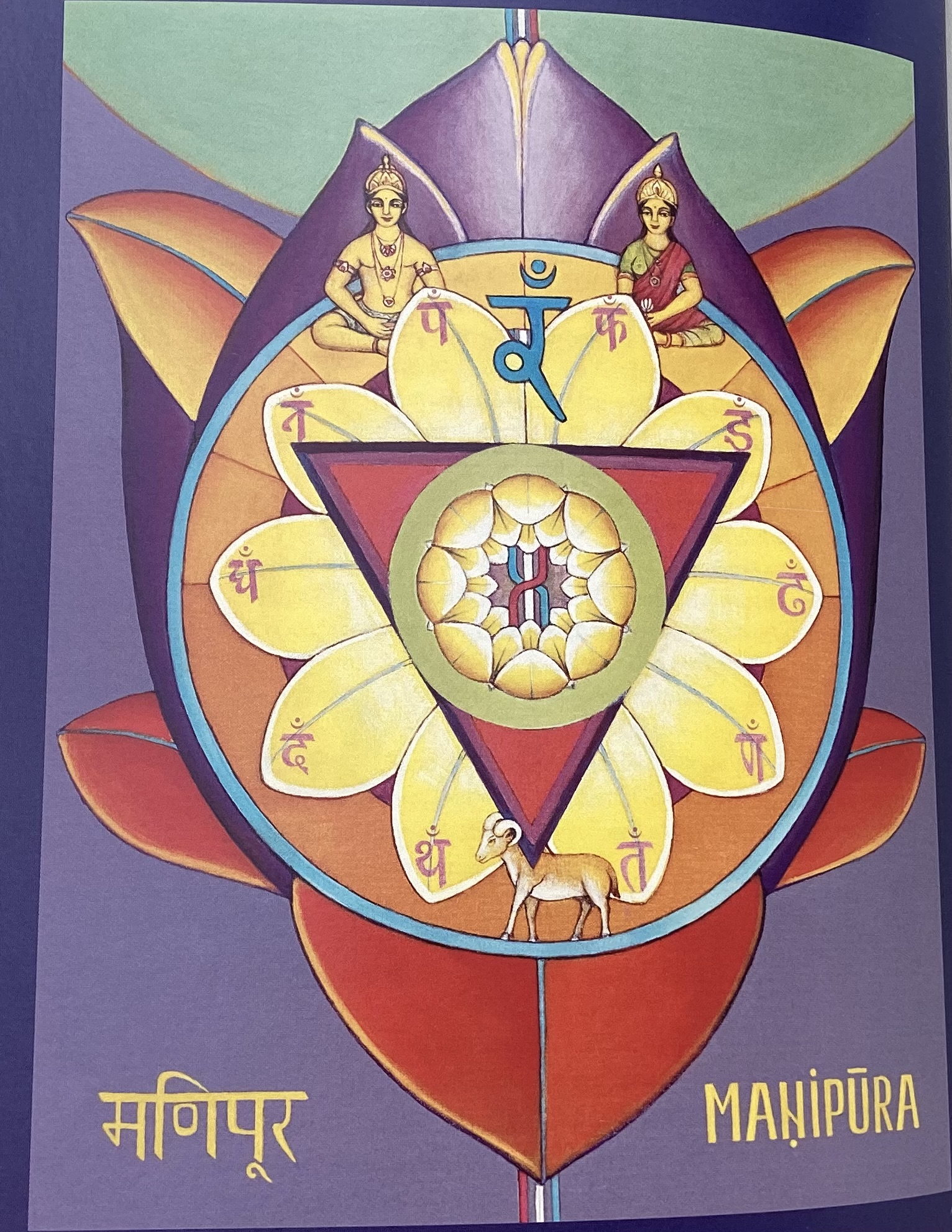
The Solar Plexus Chakra, or Manipura, is located in the upper abdomen and represents personal power and self-confidence.
Hindu texts describe it as the centre of willpower and assertiveness. In Kabbalah, it correlates with the seat of the soul.
When balanced, it instils a sense of purpose and confidence, empowering individuals to pursue their goals fearlessly.
Mantra: “I am strong, I am confident, I am worthy of all successes.”
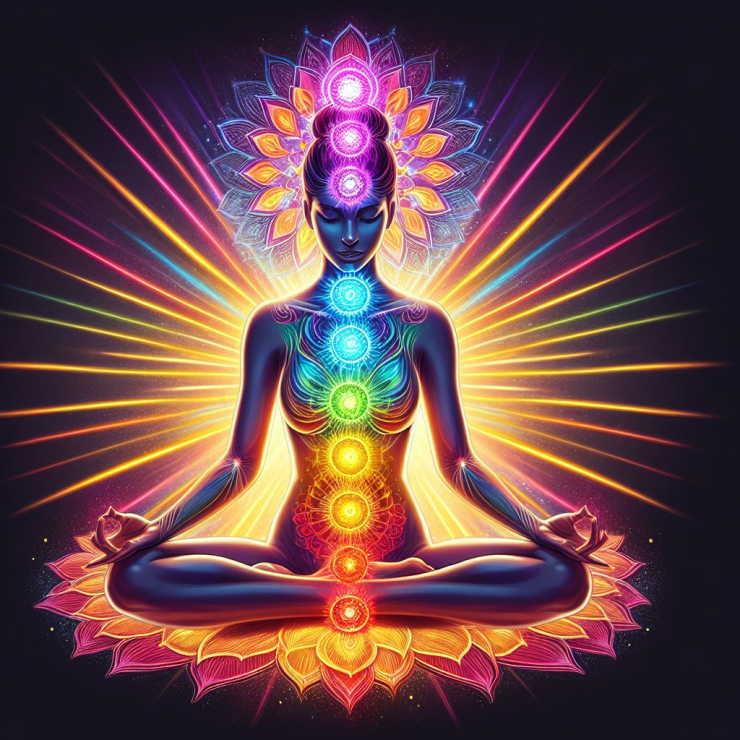
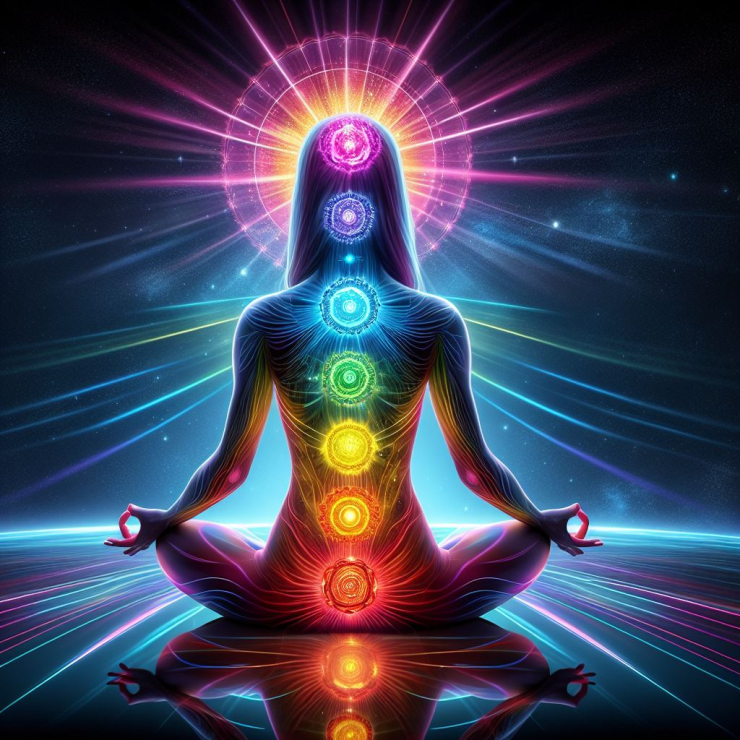
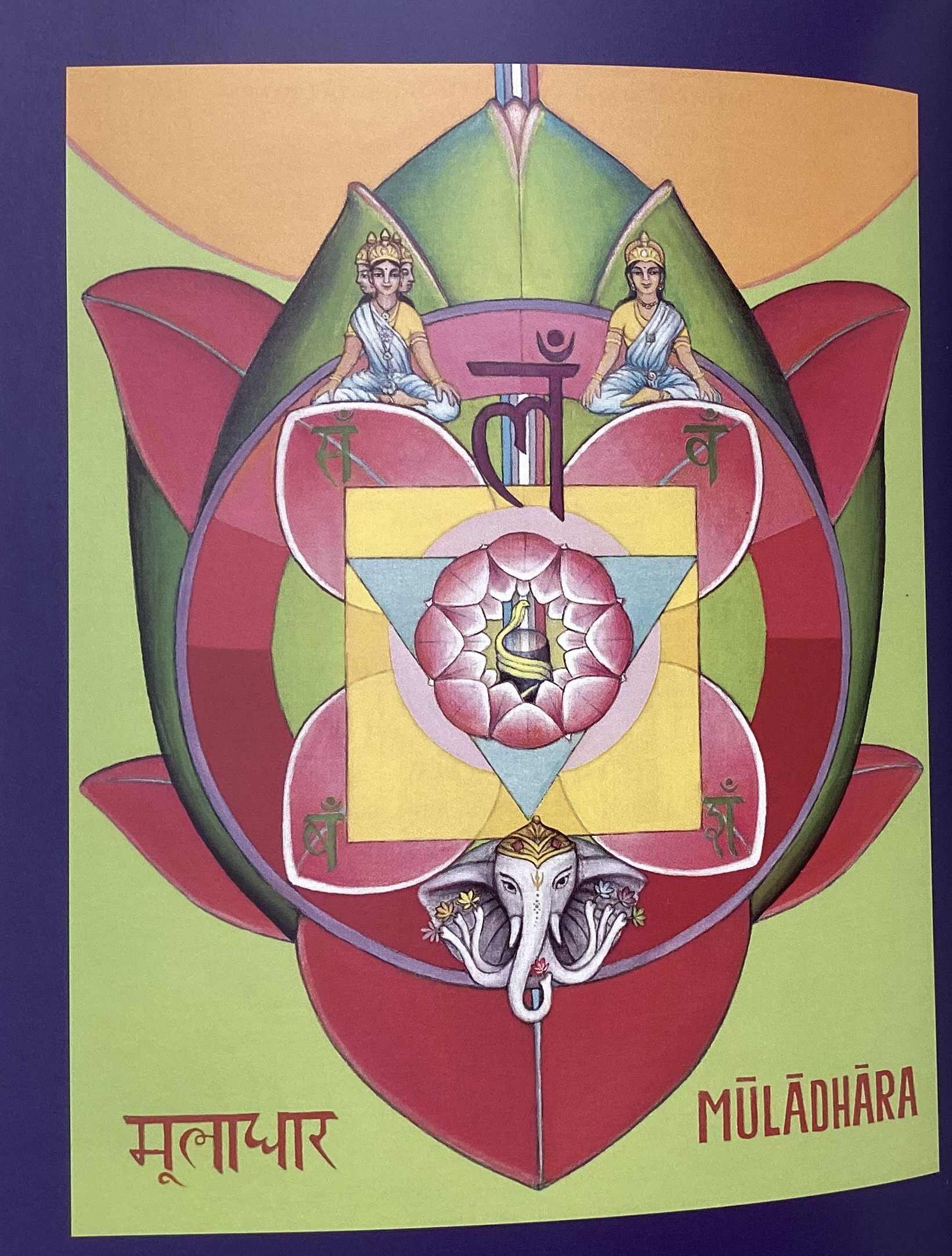
The Root Chakra, or Muladhara, is the foundation of our being, representing security and stability. Located at the base of the spine, it grounds us to the Earth’s energy.
In Hindu texts, it’s associated with survival instincts and primal energy. Similarly, in Kabbalah, it corresponds to the foundation of life.
When balanced, it fosters feelings of safety and connection to the physical world.
Mantra: “I am rooted, I am secure, I am grounded.”
Before we begin:-🙏
Trikuti Kriya, a profound meditation practice taught by Yogi Bhajan, activates the “third eye” point between the eyebrows, enhancing intuition and insight.
To begin, sit comfortably with a straight spine, either in a cross-legged position or on a chair with feet flat to floor. Back on hands rest on your knees in –Gyan Mudra (Seal of Knowledge) (3HO Website)
How: Touch the tip of the index (first) finger and the tip of thumb together. The other three fingers are straight.
Effect of Mudra:- Stimulates knowledge, wisdom, receptivity, and calmness.
Gyan Munda represents the Planet: Jupiter; expansion. (3HO Website)
Meditation :- Close your eyes and focus your gaze at the point between the eyebrows.
Inhale deeply through the nose, hold the breath in, and mentally chant the mantra “Wahe Guru” three times. Visualise a radiant light at the “third eye” point, expanding with each repetition of the mantra. Exhale deeply through the nose.
Continue this pattern for 11-31 minutes, maintaining a steady rhythm and deep focus.
To End:- Inhale then exhale 2 -3 times keep your eyes closed and return to the natural rhythm of the breath. Let your hands sit comfortably in your lap.
Observe yourself inner Self and feel the energy glow within you 🙏
Relax for 2-5min then sit up, rub the palms of the hands together & chant a long Saaaaat Nam 🙏
Precautions : – if you are pregnant or have hypertension you may practice by holing a slight pause in between breaths (no retention of breath)
Trikuti Kriya heightens awareness, sharpens intuition, and opens the mind to higher realms of consciousness.
With regular practice, it cultivates inner clarity and spiritual insight, guiding practitioners on a path of self-discovery and enlightenment.
Before you begin🙏
Begin every Kundalini Yoga and Meditation practice by chanting the mantra: ONGNAMO, GURU DEV NAMO. “Tuning in” assists you to align yourself with the frequency of the Infinite Self and quiet your mind. This mantra is “God’s telephone number.” Chanting ONG NAMO opens your heart and connects you with the Subtle Body of Yogi Bhajan and the “Golden Chain” of the past Masters of Kundalini Yoga.
Chant it three times to cover your past, present, and future.
Position: Sit in easy pose. Press your palms firmly against each other in front of your chest. The sides of your thumbs press on the center of the sternum, which activates your “Mind Nerve,” calming your mind. Tips of the fingers are pointing up. The forearms are parallel to the floor. Close your eyes and focus at the Third Eye Point. Inhale and exhale a few times before starting. To begin, inhale deeply and chant on one breath: ONG NAMO GURU DEV NAMO. Repeat two more times. Inhale and exhale. Relax.
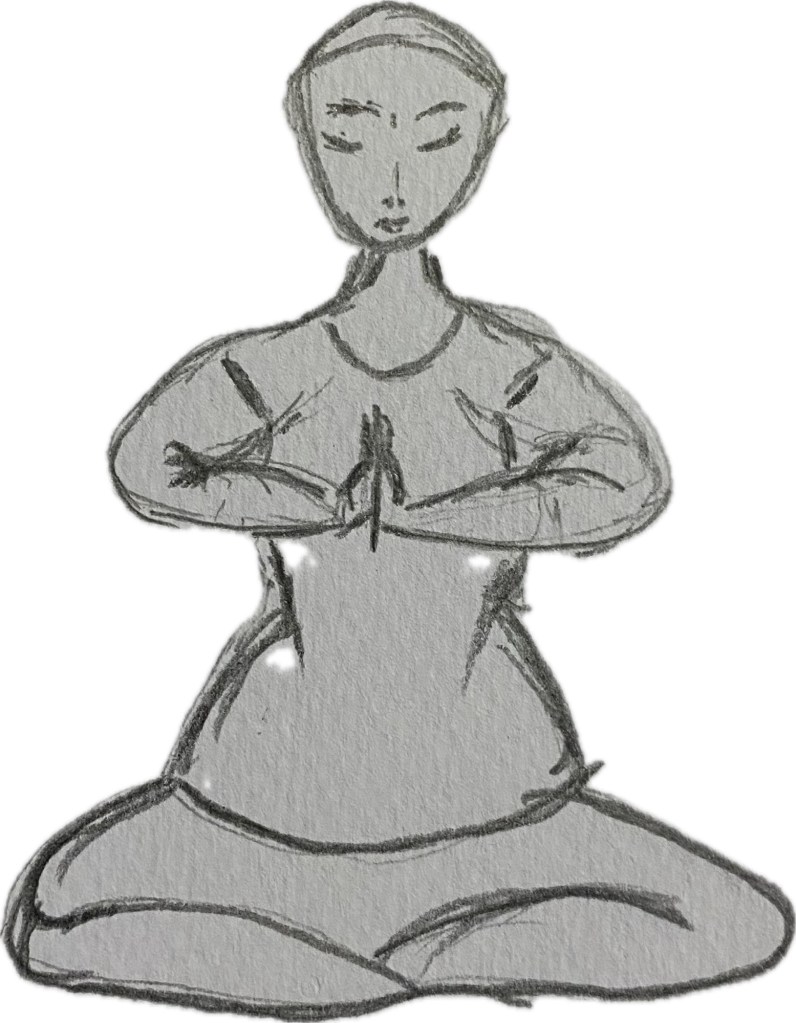
Mantra: ONG NAMO GURU DEV NAMO
When you chant this mantra, ONG NAMO GURU DEV NAMO, let it vibrate in your being: “I call upon the Infinite Creator who created me. I call upon the Divine Giver of wisdom.”
ONG means the Infinite Creative Energy in manifestation.
NAMO means reverent greetings; to call upon.
GURU is the giver of wisdom. GURU is the technology which takes one from darkness (GU) to light (RU).
DEV means divine or transparent.
NAMO means reverent greetings; to call upon.
End your practice by chanting one long Sat and a short Nam… Saaaat Naaam 🙏 this seals your practice 💚
The meditation:- Kirtan Kriya, a profound meditation practice taught by Yogi Bhajan, involves chanting the mantra “Sa Ta Na Ma” while performing specific hand movements.
To begin, sit comfortably with a straight spine, either in a cross-legged position or on a chair.
Mudra: Place the hands in Gyan Mudra (thumb touching index finger) resting on the knees. Close your eyes and mentally focus on the mantra: “Sa” (truth), “Ta” (life), “Na” (death), and “Ma” (rebirth). With each repetition of the mantra, touch the thumb to the corresponding finger: “Sa” (index finger), “Ta” (middle finger), “Na” (ring finger), and “Ma” (little finger). (Then start again at the thumb & index finger etc)
Visualisation :
visualise the sound flowing in through the top of your head and out the middle of your forehead in an L shape.
Chant audibly for 2 minutes, whisper for 2 minutes, silently repeat for 4 minutes, whisper for 2 minutes, and chant audibly for 2 minutes. Continue for a total of 11-31 minutes. The video below will assist your practice.
Maintain a gentle rhythm and focus on the sound vibrations and hand movements.
To end: take a deep breath in & hold.. raise the arms above the head and shake them vigorously .. exhale.. repeat two more times..then relax 💚
Benefits:- Kirtan Kriya improves cognitive function, reduces stress, and enhances mental clarity.
💚💚💚🙏🙏🙏💚💚💚

