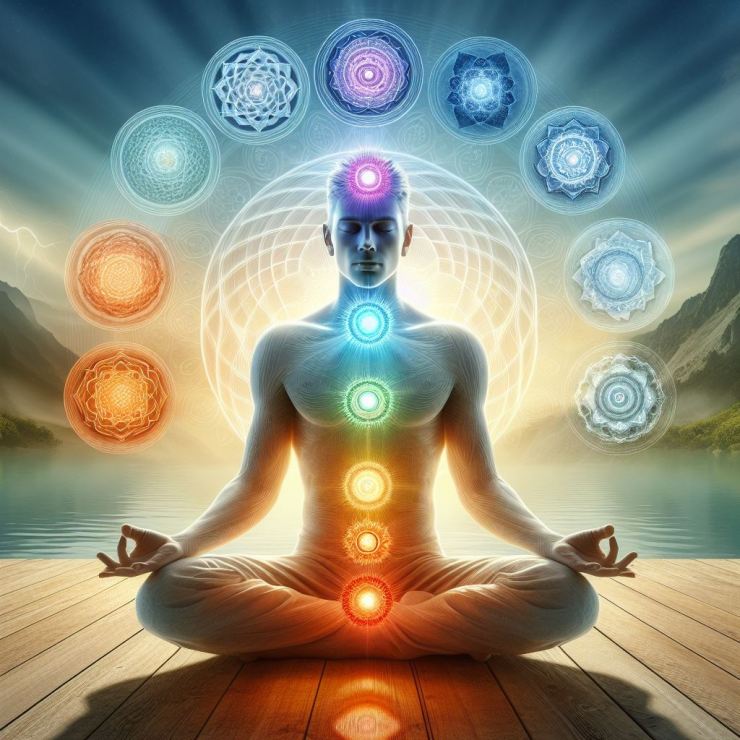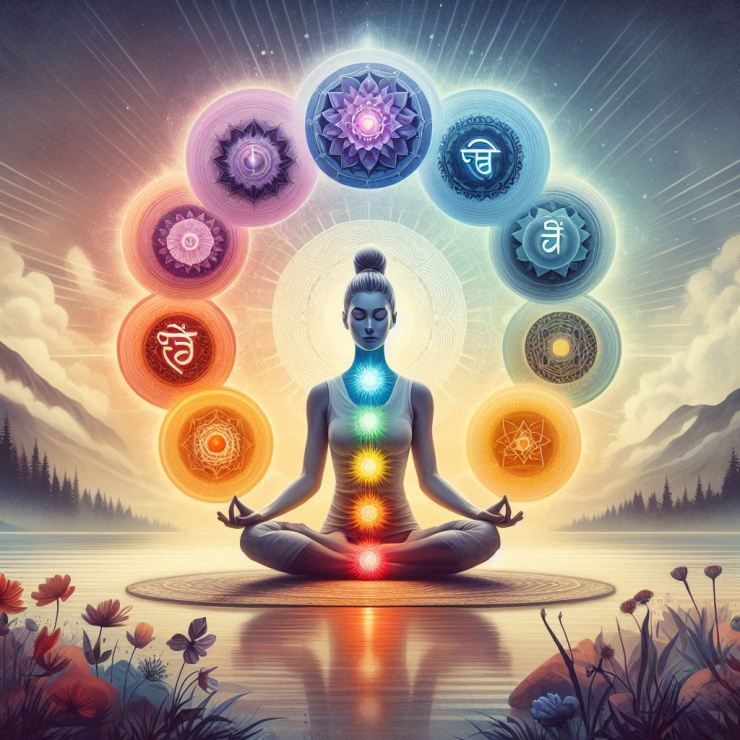
Nabhi Kriya

Nabhi Kriya, a transformative practice taught by Yogi Bhajan, focuses on balancing the solar plexus chakra and enhancing vitality.

Before you beginπŸ™

“Tuning in” by chanting the mantra: ONGNAMO, GURU DEV NAMO. 3 times (see previous kriyas for more information)

End your practice by chanting or reciting a Long Sat Nam πŸ™

Precautions:- do NOT practice this kriya if you are pregnant; or in first 3 days of moon cycle or have Hypertension (high blood pressure)πŸ™

Begin by sitting in a comfortable position with the legs crossed or on a chair with feet flat on the ground.

Place the hands on the knees with the elbows straight. Inhale deeply, then exhale and forcefully push the abdomen out, creating a strong abdominal lock. Hold the breath out as long as comfortable, then release and inhale deeply.

Continue this pattern for 1-3 minutes, gradually increasing the duration with practice.

To end:- inhale & exhale several times then return to normal breathing.. Relax 3-5 min

As the abdominal muscles strengthen, focus on the energy flowing through the solar plexus centre. Nabhi Kriya stimulates the digestive fire, increases energy levels, and promotes a sense of personal power and confidence. Practice regularly to maintain balance and vitality in the body and mind.

Kirtan Kriya

Before you beginπŸ™

Begin every Kundalini Yoga and Meditation practice by chanting the mantra: ONGNAMO, GURU DEV NAMO. “Tuning in” assists you to align yourself with the frequency of the Infinite Self and quiet your mind. This mantra is “God’s telephone number.” Chanting ONG NAMO opens your heart and connects you with the Subtle Body of Yogi Bhajan and the “Golden Chain” of the past Masters of Kundalini Yoga.
Chant it three times to cover your past, present, and future.

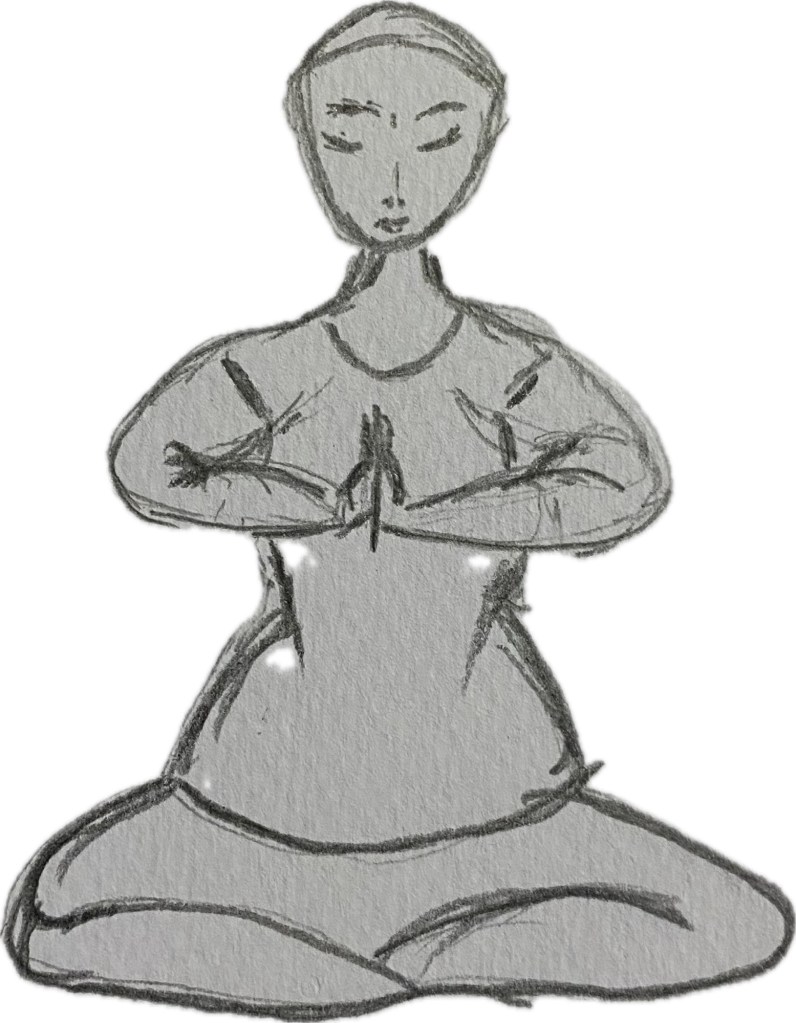
Position: Sit in easy pose. Press your palms firmly against each other in front of your chest. The sides of your thumbs press on the center of the sternum, which activates your “Mind Nerve,” calming your mind. Tips of the fingers are pointing up. The forearms are parallel to the floor. Close your eyes and focus at the Third Eye Point. Inhale and exhale a few times before starting. To begin, inhale deeply and chant on one breath: ONG NAMO GURU DEV NAMO. Repeat two more times. Inhale and exhale. Relax.

Mantra: ONG NAMO GURU DEV NAMO
When you chant this mantra, ONG NAMO GURU DEV NAMO, let it vibrate in your being: “I call upon the Infinite Creator who created me. I call upon the Divine Giver of wisdom.”

ONG means the Infinite Creative Energy in manifestation.
NAMO means reverent greetings; to call upon.
GURU is the giver of wisdom. GURU is the technology which takes one from darkness (GU) to light (RU).
DEV means divine or transparent.
NAMO means reverent greetings; to call upon.

End your practice by chanting one long Sat and a short Nam… Saaaat Naaam πŸ™ this seals your practice πŸ’š

The meditation:- Kirtan Kriya, a profound meditation practice taught by Yogi Bhajan, involves chanting the mantra “Sa Ta Na Ma” while performing specific hand movements.

To begin, sit comfortably with a straight spine, either in a cross-legged position or on a chair.

Mudra: Place the hands in Gyan Mudra (thumb touching index finger) resting on the knees. Close your eyes and mentally focus on the mantra: “Sa” (truth), “Ta” (life), “Na” (death), and “Ma” (rebirth). With each repetition of the mantra, touch the thumb to the corresponding finger: “Sa” (index finger), “Ta” (middle finger), “Na” (ring finger), and “Ma” (little finger). (Then start again at the thumb & index finger etc)

Visualisation :

visualise the sound flowing in through the top of your head and out the middle of your forehead in an L shape.

Chant audibly for 2 minutes, whisper for 2 minutes, silently repeat for 4 minutes, whisper for 2 minutes, and chant audibly for 2 minutes. Continue for a total of 11-31 minutes. The video below will assist your practice.

Maintain a gentle rhythm and focus on the sound vibrations and hand movements.

πŸ’šπŸ’šπŸ’š

To end: take a deep breath in & hold.. raise the arms above the head and shake them vigorously .. exhale.. repeat two more times..then relax πŸ’š

Benefits:- Kirtan Kriya improves cognitive function, reduces stress, and enhances mental clarity.

πŸ’šπŸ’šπŸ’šπŸ™πŸ™πŸ™πŸ’šπŸ’šπŸ’š

Ten Kundalini Yoga Kriyas

1. **Sat Kriya:**

Sat Kriya is a powerful practice involving rhythmic chanting of “Sat Nam” while simultaneously moving the body. It activates the Kundalini energy, strengthens the nervous system, and balances the chakras.

2. **Kirtan Kriya:**

Kirtan Kriya involves chanting the mantra “Sa Ta Na Ma” while performing specific hand movements. This meditation improves cognitive function, reduces stress, and enhances mental clarity.

3. **Agni Sara Kriya:**

Agni Sara Kriya is a technique for cleansing the digestive system and stimulating the fire element in the body. It involves rhythmic contractions of the abdomen to massage the internal organs and improve digestion.

4. **Nabhi Kriya:**

Nabhi Kriya focuses on the navel centre to balance the solar plexus chakra. It involves dynamic movements and breathwork to increase vitality, confidence, and willpower.

5. **Surya Kriya:**

Surya Kriya is a sequence of dynamic postures and breathwork designed to activate the solar energy in the body. It boosts metabolism, strengthens the immune system, and enhances overall vitality.

6. **Trikuti Kriya:**

Trikuti Kriya involves focusing on the “third eye” point between the eyebrows to enhance intuition and insight. It includes visualization, breath control, and mantra repetition to awaken higher consciousness.

7. **Kriya for Elevation:**

This kriya combines breathwork, movement, and chanting to elevate the spirit and expand awareness. It helps release negative emotions, uplift mood, and connect with a higher state of consciousness.

8. **Meditation for Emotional Balance:**

This kriya utilizes specific breathing techniques and mantra repetition to regulate emotions and promote emotional stability. It cultivates inner peace, resilience, and equanimity.

9. **Kriya for Stress Relief:**

This kriya incorporates gentle movements, deep relaxation, and meditation to alleviate stress and tension in the body and mind. It induces a state of calmness, clarity, and relaxation.

10. **Kriya for Inner Strength:**

This kriya focuses on building inner strength, courage, and resilience through a series of postures, breathwork, and affirmations. It empowers individuals to overcome challenges and obstacles with confidence and grace.

Each Kundalini Yoga kriya offers unique benefits for physical, mental, and spiritual well-being, providing practitioners with tools for self-transformation and personal growth.

Kundalini Yoga

Kundalini Yoga, as taught by Yogi Bhajan, is a transformative practice that blends ancient yogic traditions with modern techniques for holistic well-being. Yogi Bhajan introduced Kundalini Yoga to the West in 1969, emphasizing its power to awaken the dormant energy within each individual.

Central to this practice is the concept of Kundalini energy, often depicted as a coiled serpent at the base of the spine. Through a combination of dynamic postures, breathwork, mantra chanting, and meditation, practitioners aim to activate this potent energy and guide it through the body’s chakras, or energy centres.

Unlike other forms of yoga, Kundalini Yoga doesn’t focus solely on physical fitness but also spiritual growth and self-awareness. The practice is designed to clear energetic blockages, release stress, and elevate consciousness, leading to a profound sense of balance and inner peace.

Yogi Bhajan’s teachings emphasize the importance of living in harmony with oneself and others, promoting a lifestyle rooted in mindfulness, compassion, and service. Kundalini Yoga offers a powerful tool for individuals seeking personal transformation, spiritual awakening, and a deeper connection to the divine.

With its dynamic techniques and profound philosophy, Kundalini Yoga continues to inspire and empower practitioners worldwide on their journey toward self-realization and enlightenment.

Yin Yoga

Yin Yoga, a gentle yet profound practice, targets connective tissues through long-held, passive poses. Rooted in Chinese Taoist philosophy, it encourages deep stretching and relaxation, allowing gravity to do the work. Yin Yoga complements dynamic styles by focusing on postures that open the hips, lower spine, and pelvis.

Holding poses for extended periods, typically 3-5 minutes, fosters flexibility and targets the fascia. This meditative practice promotes a balance between Yin and Yang energies, cultivating a sense of calm and inner reflection. Suitable for all levels, Yin Yoga offers a therapeutic approach, enhancing joint mobility and promoting mindfulness.

Embrace this contemplative practice to find stillness, improve flexibility, and embark on a journey of deep self-discovery and relaxation.