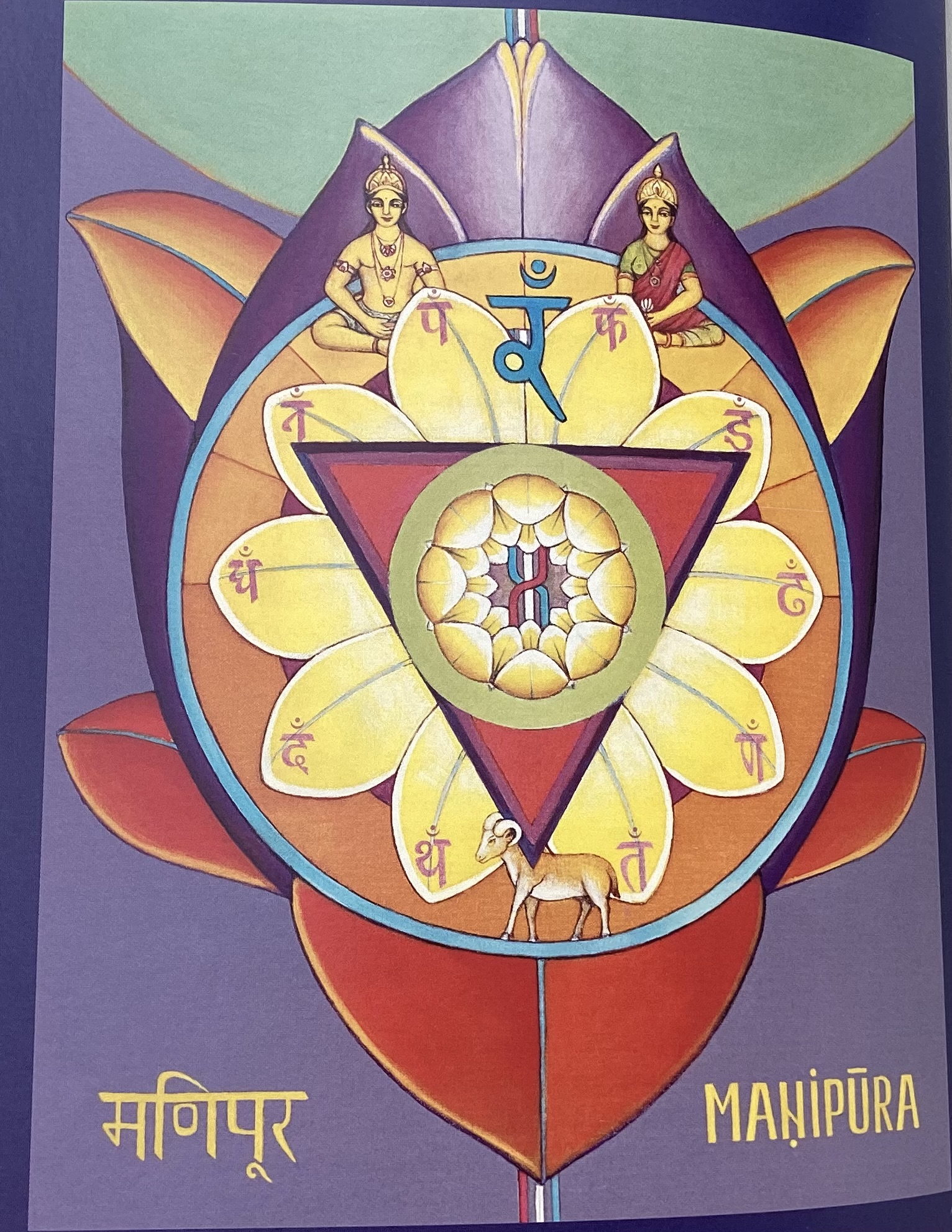
Solar Plexus Chakra (Manipura) – Source of Personal Power

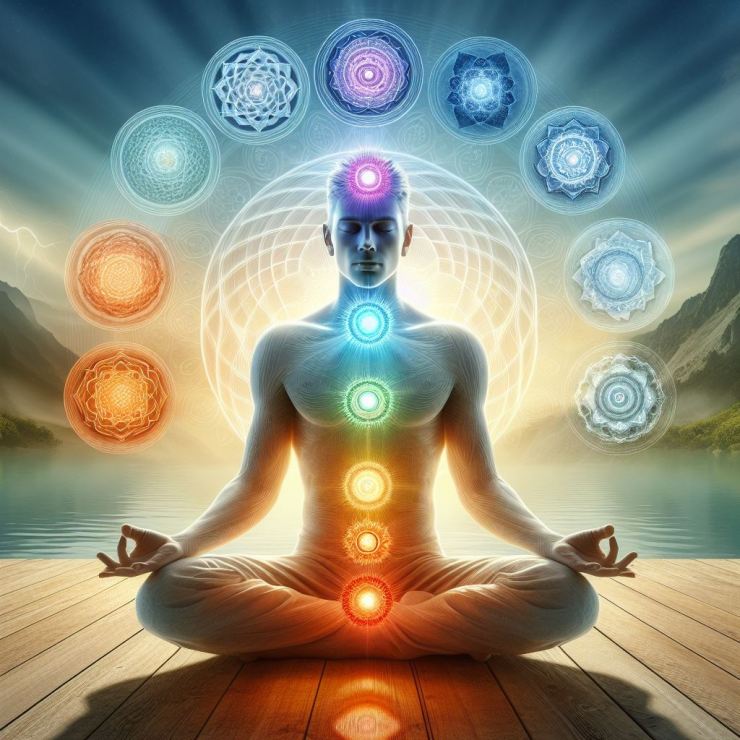
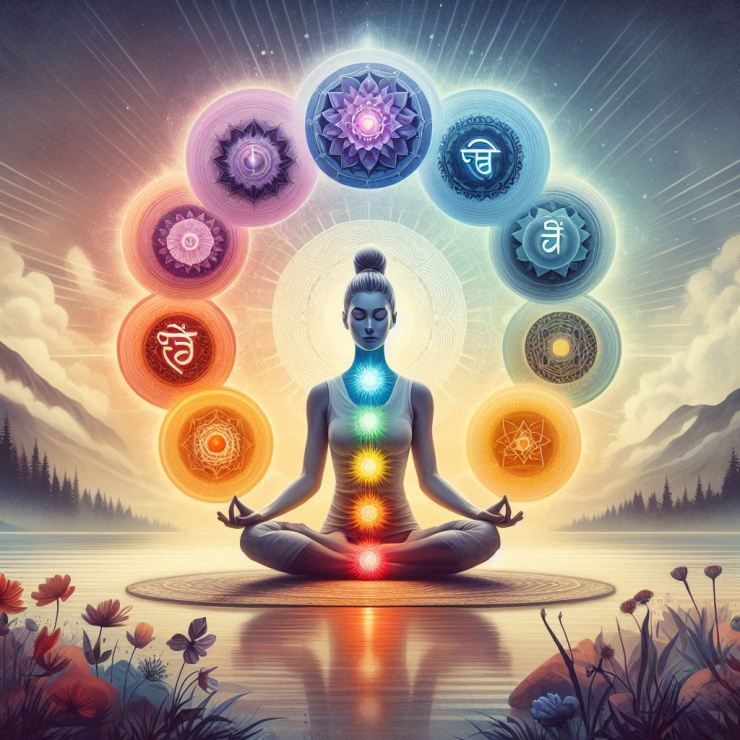
The Solar Plexus Chakra, or Manipura, is located in the upper abdomen and represents personal power and self-confidence.

Hindu texts describe it as the centre of willpower and assertiveness. In Kabbalah, it correlates with the seat of the soul.

When balanced, it instils a sense of purpose and confidence, empowering individuals to pursue their goals fearlessly.

Mantra: “I am strong, I am confident, I am worthy of all successes.”
Kundalini Yoga: A Journey of Self-Discovery

Kundalini Yoga, as taught by Yogi Bhajan, offers a sacred journey of self-discovery and personal growth. Through a combination of physical postures, breathwork, meditation, and mantra chanting, practitioners delve deep into their inner realms to uncover hidden truths and unlock their fullest potential.

This transformative practice guides individuals to connect with their authentic selves, release limiting beliefs, and cultivate a sense of purpose and fulfilment. Embrace the journey of Kundalini Yoga and embark on a path of self-realization, empowerment, and spiritual awakening..

Ten Kundalini Yoga Kriyas

1. **Sat Kriya:**

Sat Kriya is a powerful practice involving rhythmic chanting of “Sat Nam” while simultaneously moving the body. It activates the Kundalini energy, strengthens the nervous system, and balances the chakras.

2. **Kirtan Kriya:**

Kirtan Kriya involves chanting the mantra “Sa Ta Na Ma” while performing specific hand movements. This meditation improves cognitive function, reduces stress, and enhances mental clarity.

3. **Agni Sara Kriya:**

Agni Sara Kriya is a technique for cleansing the digestive system and stimulating the fire element in the body. It involves rhythmic contractions of the abdomen to massage the internal organs and improve digestion.

4. **Nabhi Kriya:**

Nabhi Kriya focuses on the navel centre to balance the solar plexus chakra. It involves dynamic movements and breathwork to increase vitality, confidence, and willpower.

5. **Surya Kriya:**

Surya Kriya is a sequence of dynamic postures and breathwork designed to activate the solar energy in the body. It boosts metabolism, strengthens the immune system, and enhances overall vitality.

6. **Trikuti Kriya:**

Trikuti Kriya involves focusing on the “third eye” point between the eyebrows to enhance intuition and insight. It includes visualization, breath control, and mantra repetition to awaken higher consciousness.

7. **Kriya for Elevation:**

This kriya combines breathwork, movement, and chanting to elevate the spirit and expand awareness. It helps release negative emotions, uplift mood, and connect with a higher state of consciousness.

8. **Meditation for Emotional Balance:**

This kriya utilizes specific breathing techniques and mantra repetition to regulate emotions and promote emotional stability. It cultivates inner peace, resilience, and equanimity.

9. **Kriya for Stress Relief:**

This kriya incorporates gentle movements, deep relaxation, and meditation to alleviate stress and tension in the body and mind. It induces a state of calmness, clarity, and relaxation.

10. **Kriya for Inner Strength:**

This kriya focuses on building inner strength, courage, and resilience through a series of postures, breathwork, and affirmations. It empowers individuals to overcome challenges and obstacles with confidence and grace.

Each Kundalini Yoga kriya offers unique benefits for physical, mental, and spiritual well-being, providing practitioners with tools for self-transformation and personal growth.

Kundalini Yoga

Kundalini Yoga, as taught by Yogi Bhajan, is a transformative practice that blends ancient yogic traditions with modern techniques for holistic well-being. Yogi Bhajan introduced Kundalini Yoga to the West in 1969, emphasizing its power to awaken the dormant energy within each individual.

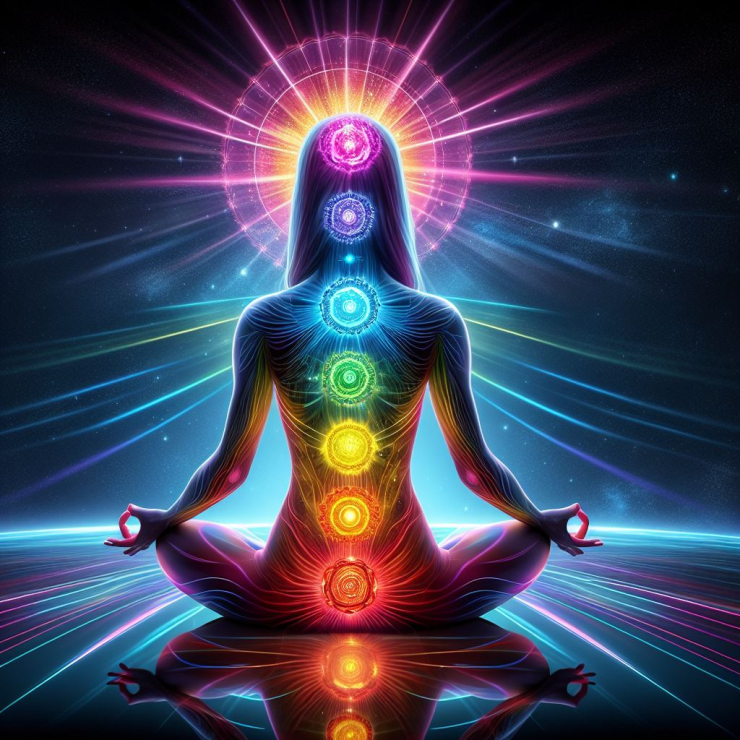
Central to this practice is the concept of Kundalini energy, often depicted as a coiled serpent at the base of the spine. Through a combination of dynamic postures, breathwork, mantra chanting, and meditation, practitioners aim to activate this potent energy and guide it through the body’s chakras, or energy centres.

Unlike other forms of yoga, Kundalini Yoga doesn’t focus solely on physical fitness but also spiritual growth and self-awareness. The practice is designed to clear energetic blockages, release stress, and elevate consciousness, leading to a profound sense of balance and inner peace.

Yogi Bhajan’s teachings emphasize the importance of living in harmony with oneself and others, promoting a lifestyle rooted in mindfulness, compassion, and service. Kundalini Yoga offers a powerful tool for individuals seeking personal transformation, spiritual awakening, and a deeper connection to the divine.

With its dynamic techniques and profound philosophy, Kundalini Yoga continues to inspire and empower practitioners worldwide on their journey toward self-realization and enlightenment.

Power Yoga

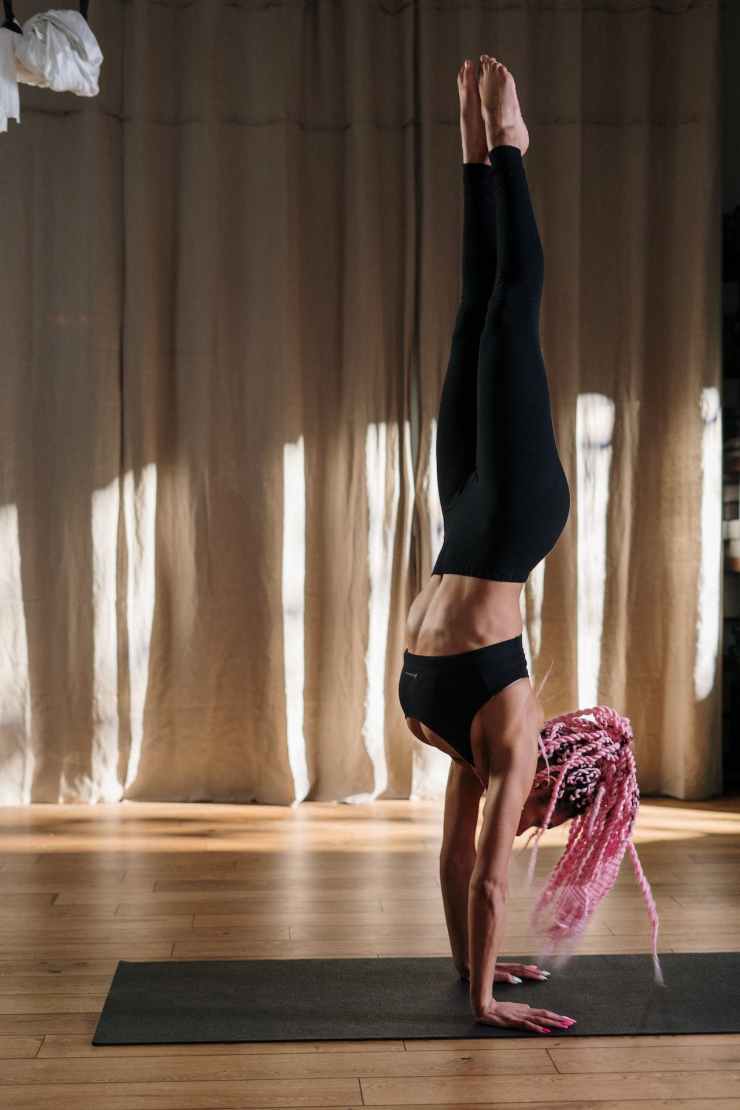
Power Yoga, a dynamic and fitness-oriented style, amplifies traditional yoga elements with a vigorous approach. Derived from Ashtanga Yoga, it emphasizes strength, flexibility, and endurance through a series of fast-paced and challenging poses. Power Yoga sessions often incorporate cardio elements, making it an intense full-body workout.

The fluid sequences, coupled with synchronized breathwork, elevate heart rate and build muscular strength. Unlike more traditional forms, Power Yoga doesn’t adhere to a strict set of poses, allowing for creative variations. This style appeals to those seeking a physically demanding practice that promotes both mental focus and transformative physical results.

With its emphasis on empowerment and energizing movements, Power Yoga provides a dynamic avenue for individuals looking to enhance their fitness while embracing the holistic benefits of yoga.

Ashtanga Yoga

Ashtanga Yoga, a dynamic and challenging form of yoga, traces its roots to the ancient yogic teachings of Patanjali. Characterized by a set sequence of postures, Ashtanga emphasizes the synchronization of breath and movement, creating a flowing and meditative practice. The system consists of six series, each building on the previous, promoting physical strength, flexibility, and mental focus.

Popularized by Sri K. Pattabhi Jois, Ashtanga adheres to a disciplined approach, with practitioners mastering each pose before progressing to the next. The rigorous nature of Ashtanga Yoga makes it a transformative journey, fostering both physical and spiritual growth.

As individuals move through the sequences, they cultivate self-awareness, resilience, and a profound connection between mind, body, and breath. In the realm of yoga, Ashtanga stands as a powerful method for those seeking a structured and holistic path toward well-being.