Category: Wellness Journey
Next Cosmic Event 🕉️
December 20, 2024
Check out the Cosmic Event tab from the main menu and you will see all the details .. information & bookings direct from there.. too easy 🤗
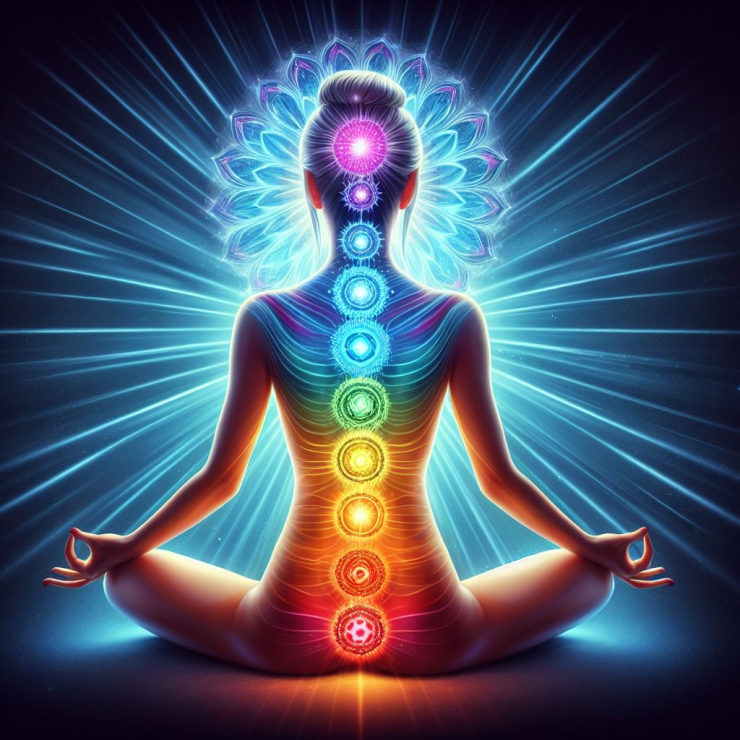
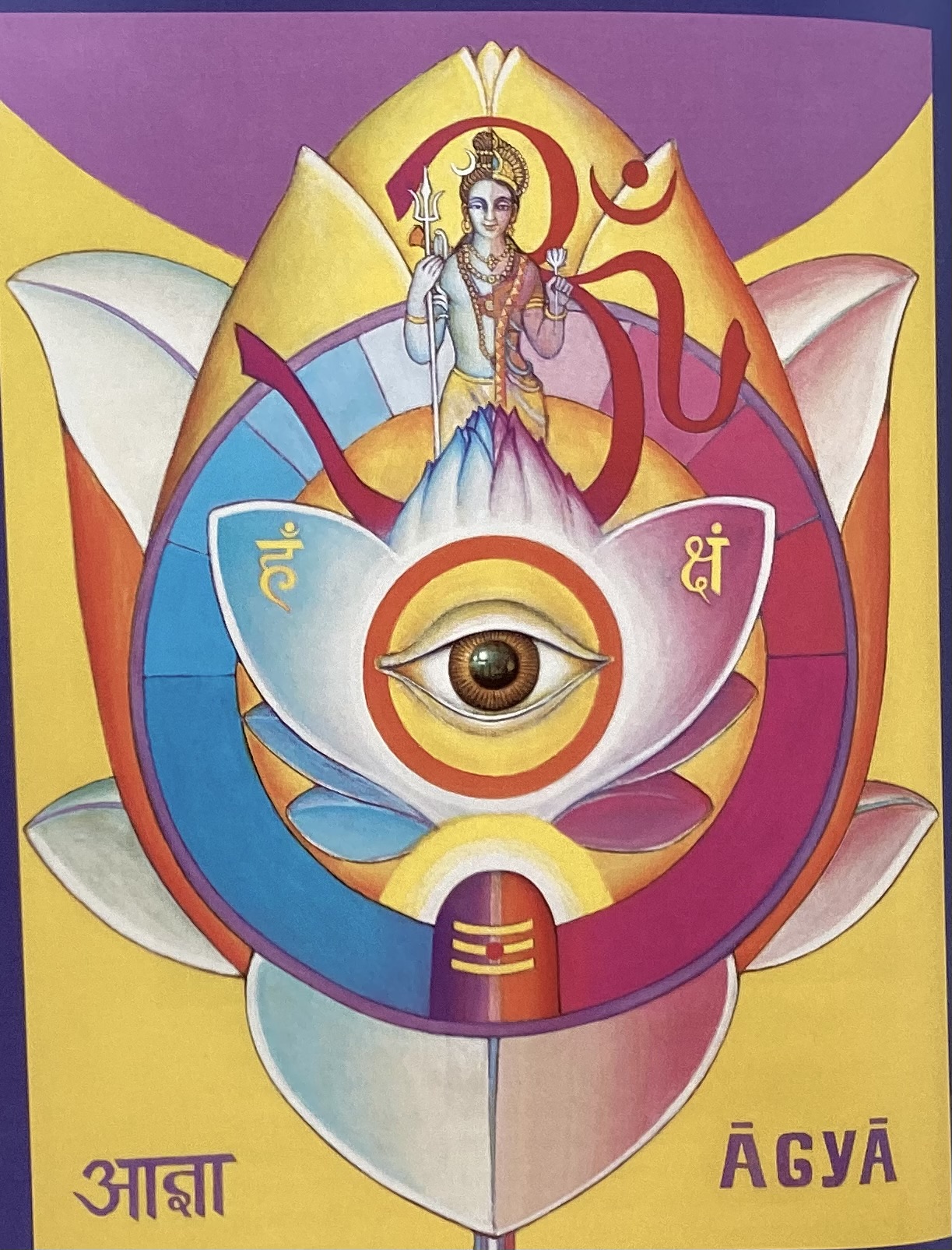
Third Eye Chakra (Ajna) – Gateway to Intuition
The Third Eye Chakra, or Ajna, is located between the eyebrows and represents intuition, insight, and perception.
Hindu scriptures depict it as the centre of inner wisdom and spiritual vision.
In Kabbalah, it corresponds to the ability to perceive spiritual truths.
When balanced, it enhances intuition, imagination, and the ability to see beyond the physical realm.
Mantra: “I trust my intuition, I see clearly, I am connected to divine wisdom.”
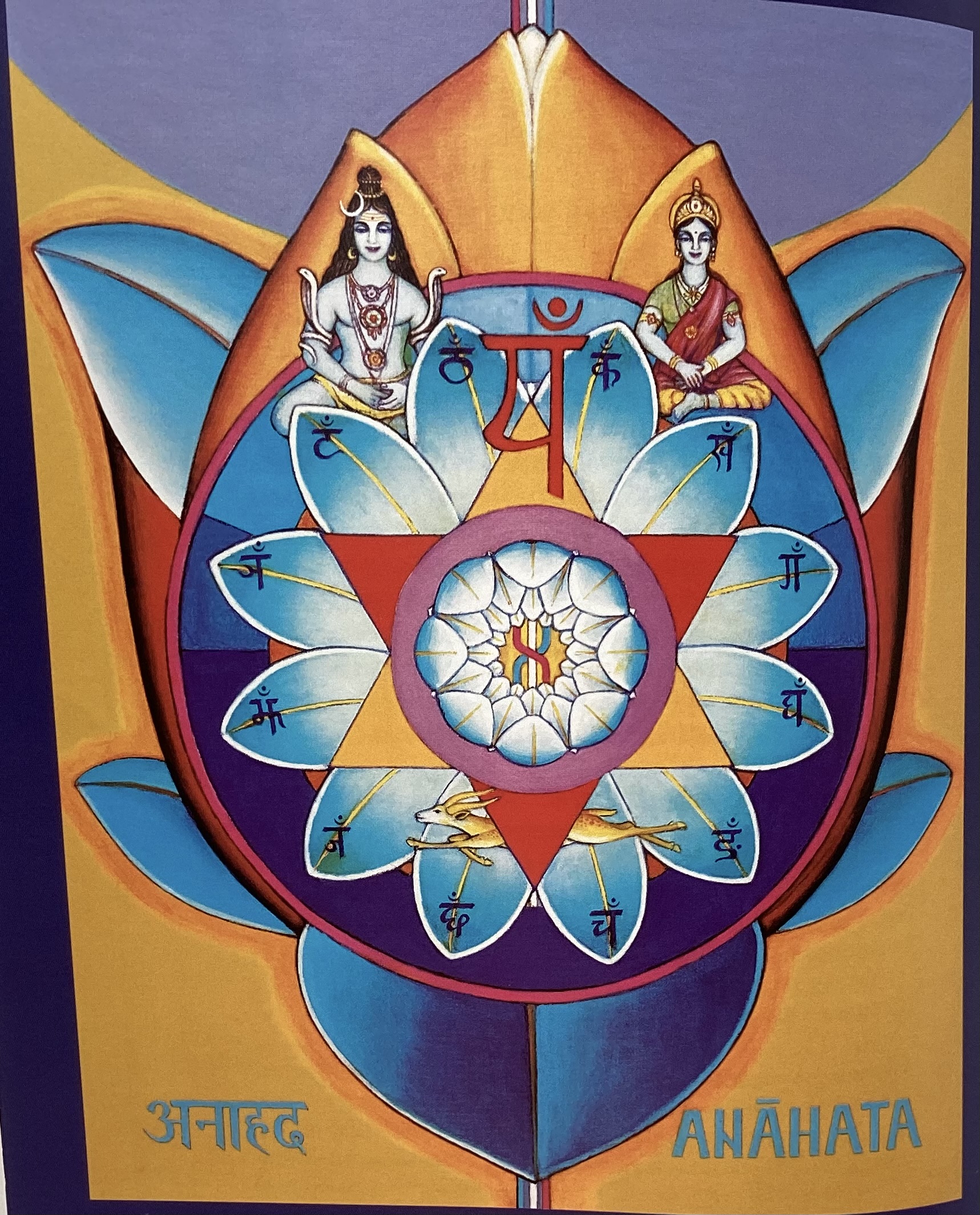
Heart Chakra (Anahata) – Center of Love and Compassion
The Heart Chakra, or Anahata, resides in the centre of the chest, representing love, compassion, and harmony.
In Hindu scriptures, it symbolizes unconditional love and emotional balance.
Kabbalistic teachings associate it with the integration of opposites and divine love.
When balanced, it fosters empathy, forgiveness, and deep connections with others and oneself.
Mantra: “I am love, I am compassion, I am at peace.”
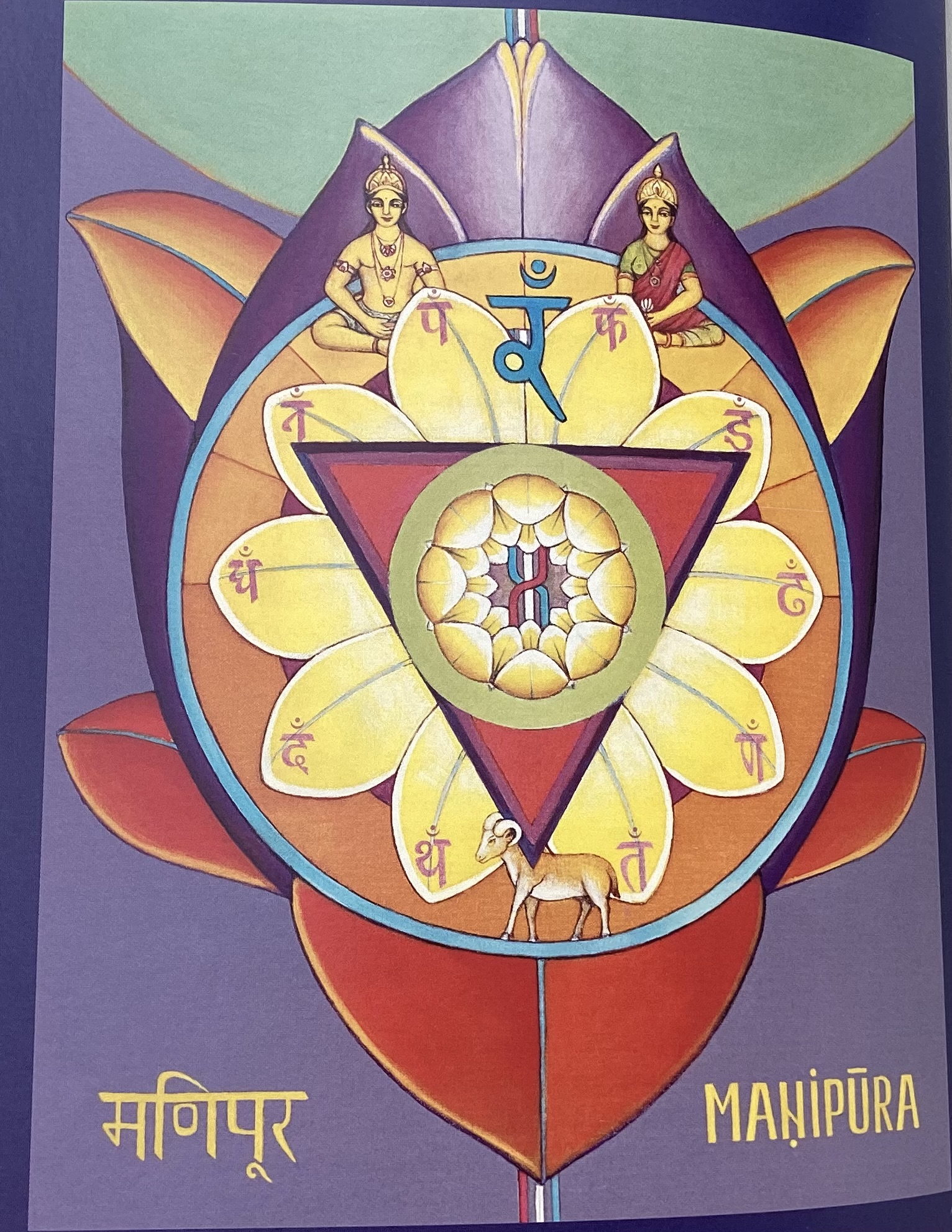
Solar Plexus Chakra (Manipura) – Source of Personal Power
The Solar Plexus Chakra, or Manipura, is located in the upper abdomen and represents personal power and self-confidence.
Hindu texts describe it as the centre of willpower and assertiveness. In Kabbalah, it correlates with the seat of the soul.
When balanced, it instils a sense of purpose and confidence, empowering individuals to pursue their goals fearlessly.
Mantra: “I am strong, I am confident, I am worthy of all successes.”