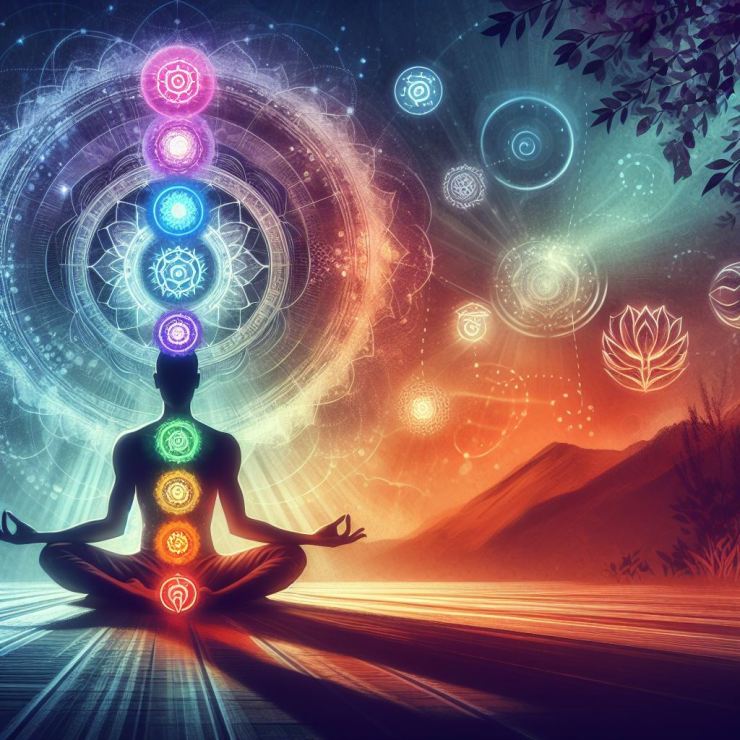
The Meditation for Emotional Balance

The Meditation for Emotional Balance, a transformative practice taught by Yogi Bhajan, offers a powerful tool for regulating emotions and finding inner harmony.

Before you begin πŸ™

Tune In to your Inner Guidance

Begin by sitting in a comfortable position with a straight spine, either cross-legged or on a chair with feet flat on the floor. Place the hands in Gyan Mudra (thumb touching index finger) on the knees.

Close your eyes and focus your gaze at the “third eye” point between the eyebrows. Inhale deeply through the nose and exhale slowly through the mouth, releasing tension and stress with each breath. Continue this rhythmic breathing pattern for 11 minutes, allowing the mind to become still and the emotions to settle.

To End:- Inhale & Exhale through the nose 2/3 times then return to the natural breath and observe your energy flow.

Relax for 2-3 min

Close & seal your practice wth a Long Saaaat and a short Nam (Sat Nam means Truth is my identity, I am Truth)

The Meditation for Emotional Balance calms the nervous system, soothes turbulent emotions, and cultivates inner peace. With regular practice, it promotes emotional resilience, clarity of mind, and a greater sense of well-being.

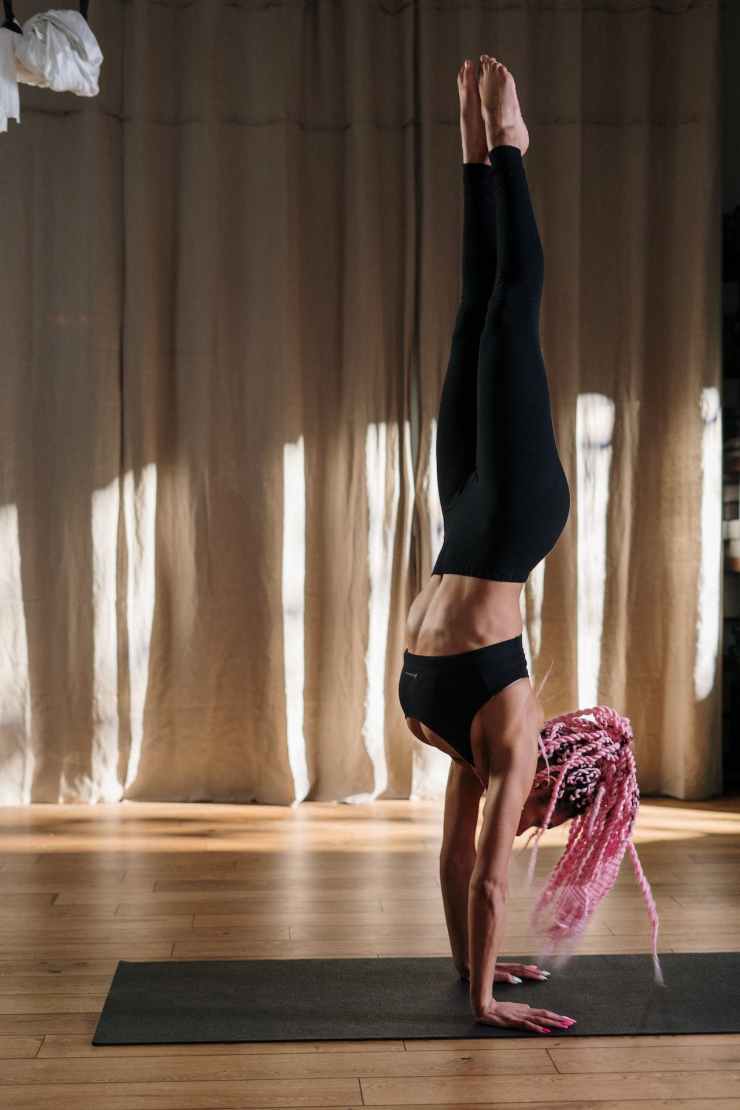
Nabhi Kriya

Nabhi Kriya, a transformative practice taught by Yogi Bhajan, focuses on balancing the solar plexus chakra and enhancing vitality.

Before you beginπŸ™

“Tuning in” by chanting the mantra: ONGNAMO, GURU DEV NAMO. 3 times (see previous kriyas for more information)

End your practice by chanting or reciting a Long Sat Nam πŸ™

Precautions:- do NOT practice this kriya if you are pregnant; or in first 3 days of moon cycle or have Hypertension (high blood pressure)πŸ™

Begin by sitting in a comfortable position with the legs crossed or on a chair with feet flat on the ground.

Place the hands on the knees with the elbows straight. Inhale deeply, then exhale and forcefully push the abdomen out, creating a strong abdominal lock. Hold the breath out as long as comfortable, then release and inhale deeply.

Continue this pattern for 1-3 minutes, gradually increasing the duration with practice.

To end:- inhale & exhale several times then return to normal breathing.. Relax 3-5 min

As the abdominal muscles strengthen, focus on the energy flowing through the solar plexus centre. Nabhi Kriya stimulates the digestive fire, increases energy levels, and promotes a sense of personal power and confidence. Practice regularly to maintain balance and vitality in the body and mind.

Power Yoga

Power Yoga, a dynamic and fitness-oriented style, amplifies traditional yoga elements with a vigorous approach. Derived from Ashtanga Yoga, it emphasizes strength, flexibility, and endurance through a series of fast-paced and challenging poses. Power Yoga sessions often incorporate cardio elements, making it an intense full-body workout.

The fluid sequences, coupled with synchronized breathwork, elevate heart rate and build muscular strength. Unlike more traditional forms, Power Yoga doesn’t adhere to a strict set of poses, allowing for creative variations. This style appeals to those seeking a physically demanding practice that promotes both mental focus and transformative physical results.

With its emphasis on empowerment and energizing movements, Power Yoga provides a dynamic avenue for individuals looking to enhance their fitness while embracing the holistic benefits of yoga.

Restorative Yoga

Restorative Yoga, a gentle and therapeutic practice, focuses on relaxation and rejuvenation. Rooted in Hatha Yoga principles, it involves holding passive poses for extended durations, often supported by props like blankets and bolsters. This encourages deep relaxation, allowing the body to release tension and stress.

The emphasis on breath awareness and mindful stillness distinguishes Restorative Yoga as a calming and meditative experience. Ideal for all levels, including those recovering from injuries or dealing with chronic pain, it promotes healing and renewal. By engaging the parasympathetic nervous system, Restorative Yoga offers a sanctuary for the mind and body to unwind, fostering a profound sense of well-being.

Incorporate this soothing practice into your routine to cultivate balance, relaxation, and a tranquil state of mind.

Various Types of Yoga

The next several posts will cover the different Yoga styles. Below is a quick summary of the different types of Yoga.

  • Vinyasa Yoga: Flowing sequences and synchronizing breath with movement.
  • Ashtanga Yoga: Rigorous and structured series of poses.
  • Bikram Yoga: Practiced in a heated room for increased flexibility.
  • Iyengar Yoga: Focus on precision and alignment in poses.
  • Restorative Yoga: Gentle poses for relaxation and healing.
  • Power Yoga: Dynamic and fitness-oriented approach.
  • Yin Yoga: Holding poses for an extended period for deep stretching.

Empowering the Body and Mind: The Transformative Benefits of Yoga Asanas

Yoga Asanas, or postures, serve as the cornerstone of a holistic yoga practice, offering a multitude of benefits for both the body and mind. These physical poses enhance flexibility, strength, and balance, promoting overall fitness and preventing injuries. Asanas also stimulate blood flow, aiding in detoxification and nourishing the body’s organs.

Beyond the physical, the mindful practice of yoga postures cultivates a deep connection between breath and movement, fostering mental focus and stress relief. Regular engagement with Asanas aligns the spine, improving posture and alleviating chronic pain.

Furthermore, the meditative nature of holding poses enhances self-awareness, encouraging practitioners to be present in the moment. Embrace the transformative power of Yoga Asanas to invigorate the body, calm the mind, and embark on a journey of holistic well-being.