In 2024 I was a whole new person.
A yoga student, purely on blind faith, was keen to undertake a Panchakarma experience, so we travelled together to Kerala. We had our own rooms which is essential, as you need your privacy.
Everything is done for you at Poolmully. You are fed and bathed after your daily oil treatments.
One has a lot of free time that gives you the amazing opportunity to be introspective. I love being on my own, so I love all the free time.
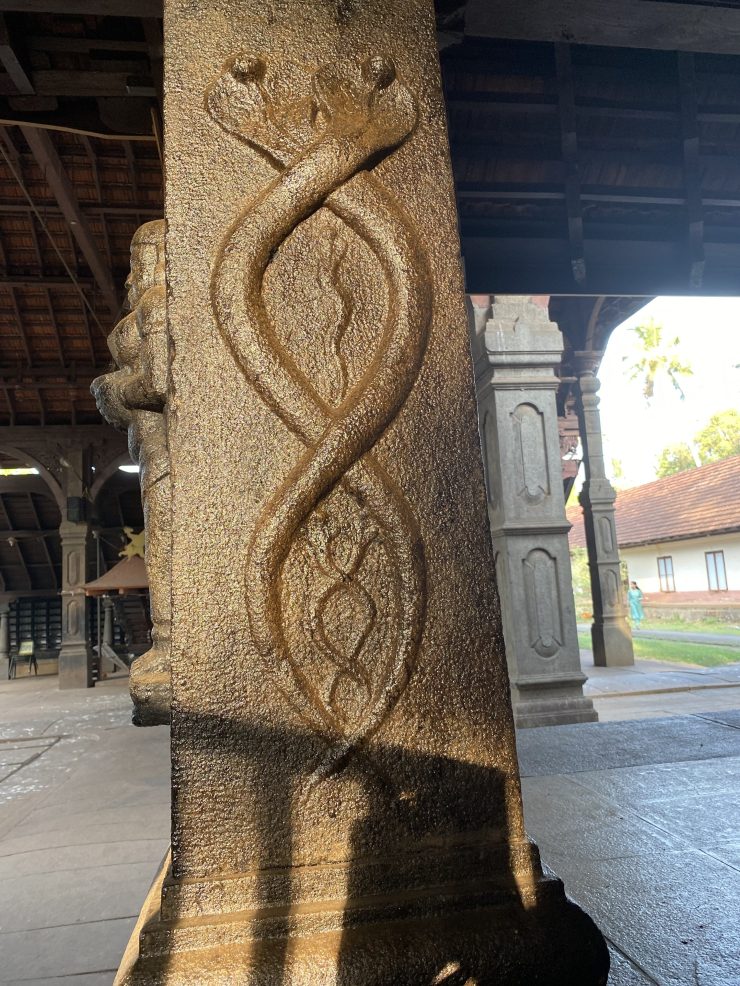
Poolmully has its own ‘old world’ Krishna temple. It made my day, each morning I would begin my ritual of Circumambulation around the exterior and then the interior of the temple, chanting Hari Krishna and spending this precious time connecting to my Divine Self.
Then at the end of the day, before dinner, I would do the same chanting and giving thanks for my day and healing.
I made myself available for my yoga student when she needed emotional support throughout the 11-day journey. This took the focus off me at times which created a whole different experience for me. ALL was as intended to be by the Divine.
My physical body experienced 80% less pain.
Emotionally, however, I released so much on a deeper level than ever before. So overall, I feel very blessed.
Each visit at Poolmully was a different and unique experience.. the non residential cannot be compared to the residential.
The treatments I’ve had never involved vomiting as my body does not require that, however, trusting the doctors and the treatments that they recommend is key.
After the treatment, the body/ mind needs time to renew and recalibrate. So one needs to stay mindful of the environment, food, the company one keeps and thoughts and feelings.
The body/mind resets itself moment by moment. I feel this.
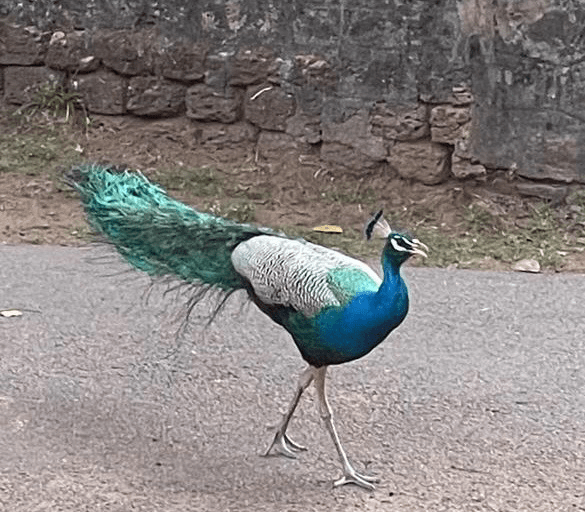
It has created within me a feeling of being as light as a peacock …
As my French friend stated after her Panchakarma .. “I have clear mind, happy heart and body like a butterfly”
❤️🧡💛💚🩵💙💜
It’s a wonderful healthy experience that I highly recommend …. 🙏
This was my residential stay:
This was my clinic experience: